
Storage, Handling and Logistics
How we safely store, transport, and handle your batteries
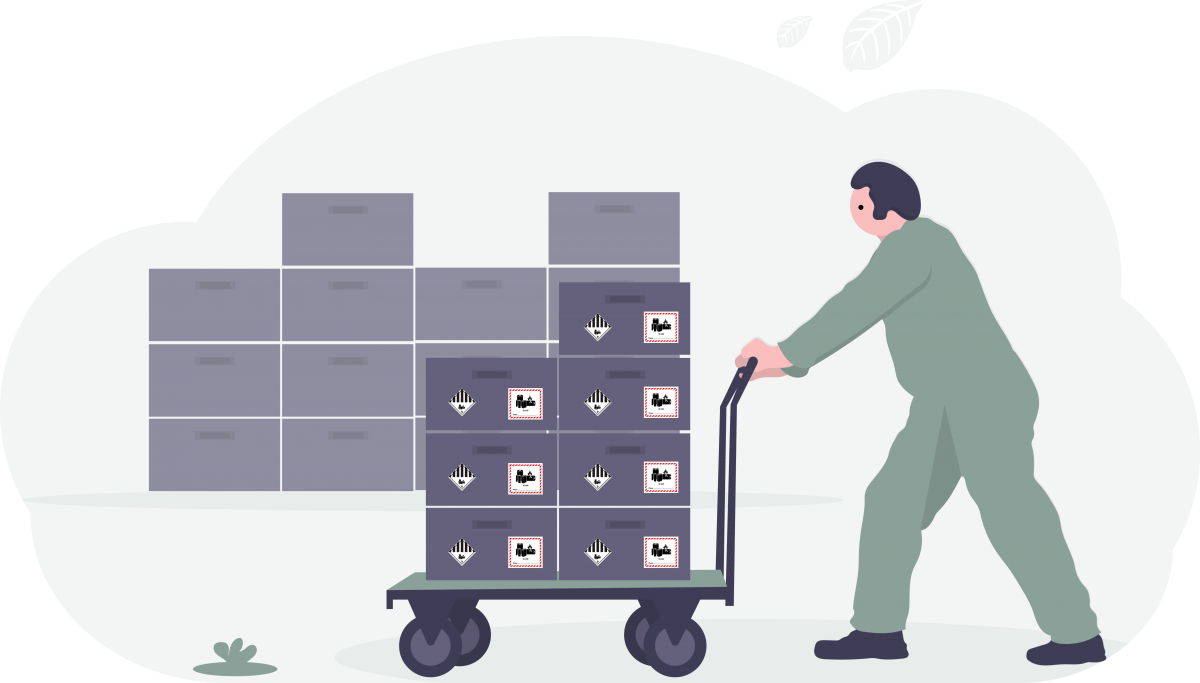
At NOWOS, we prioritize the safety and security of lithium-ion batteries throughout their entire lifecycle.
Our compliant, safe, and regulated logistics and warehousing solutions are designed to exceed industry standards and insurance regulations, ensuring that our clients' batteries are stored and transported safely and efficiently.
Below are 6 examples of safe handling measures
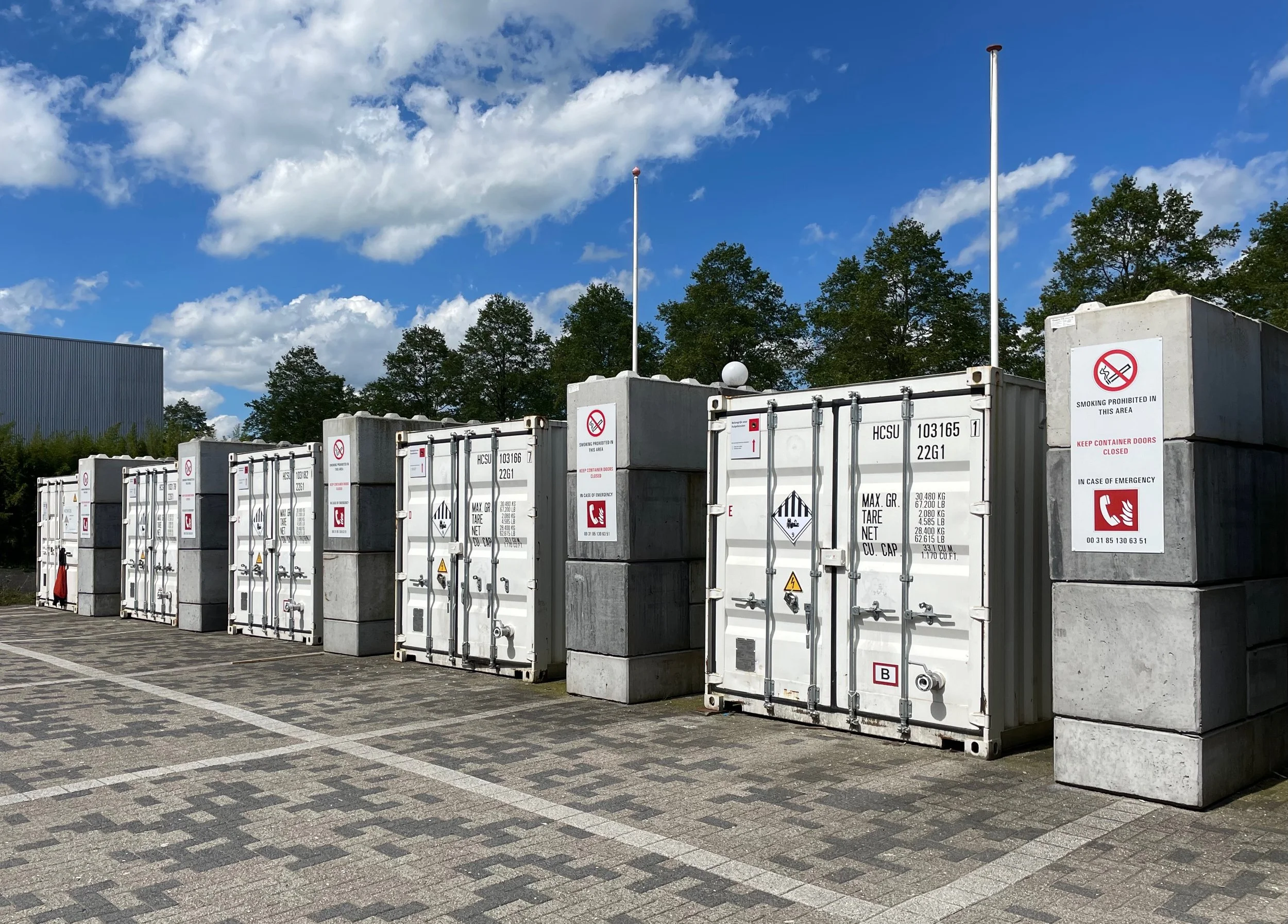
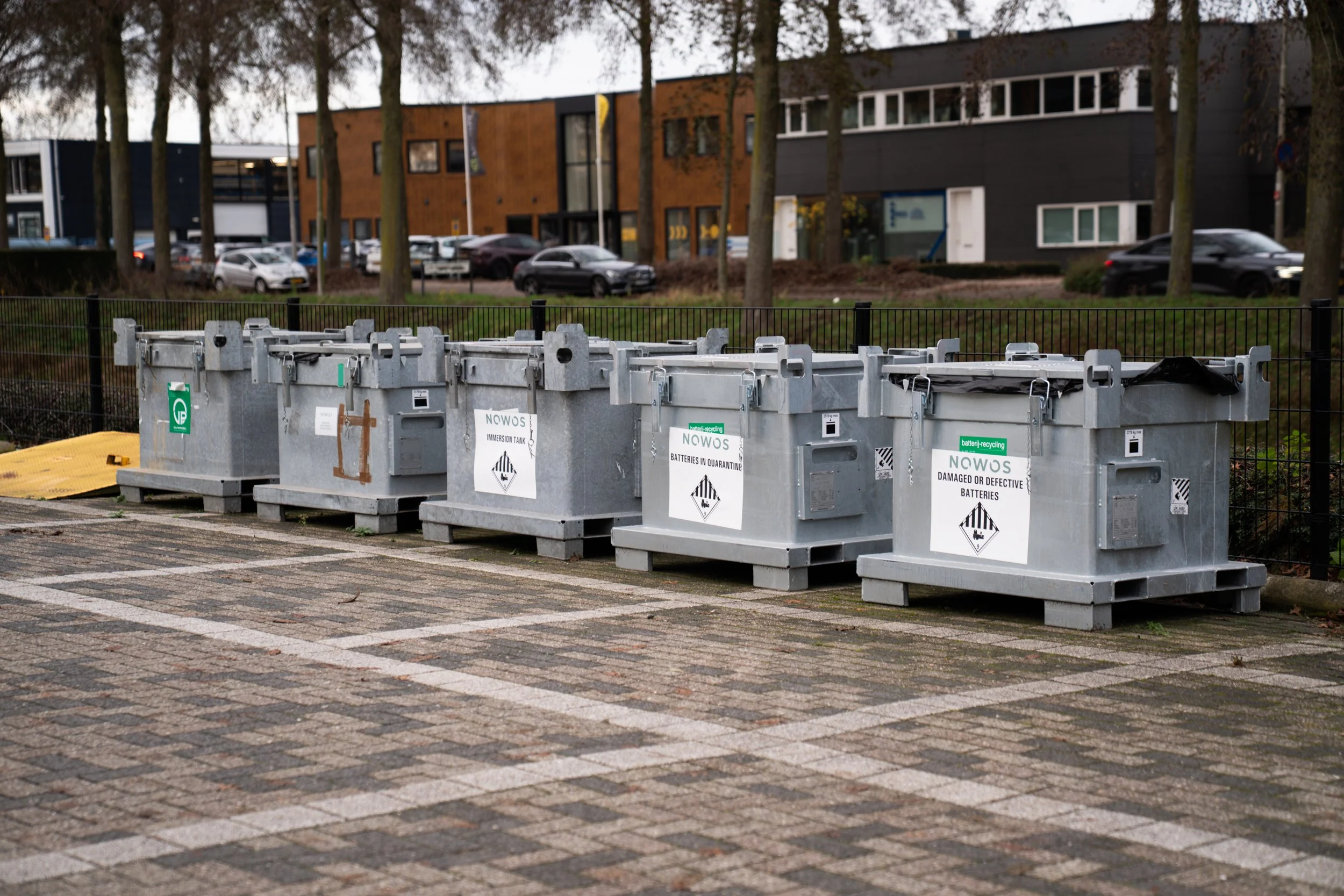
Batteries are stored outdoors in containers when not serviced
Battery safe PGS 37-2 standard containers
Multiple Safety Inspection Checks
Vetted Logistics Partners
UN 38.3 Compliant Packaging
Incident Prevention and Containment
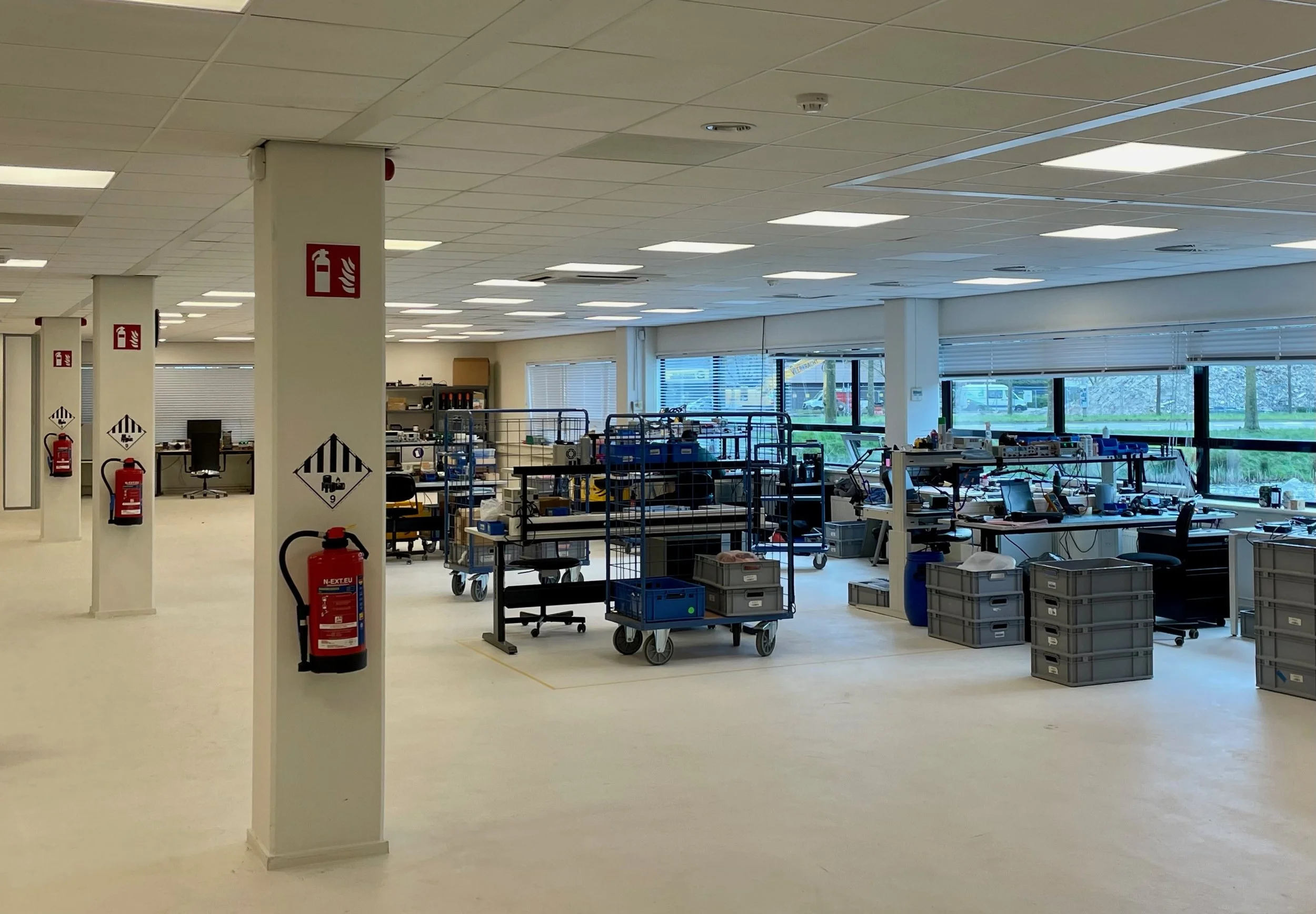
#1 The NOWOS difference: All batteries are secured in containers located outside our repair facility.
Every morning, batteries scheduled for service are retrieved, logged, and moved into our controlled repair workflow, then returned into containers every evening to ensure maximum safety.
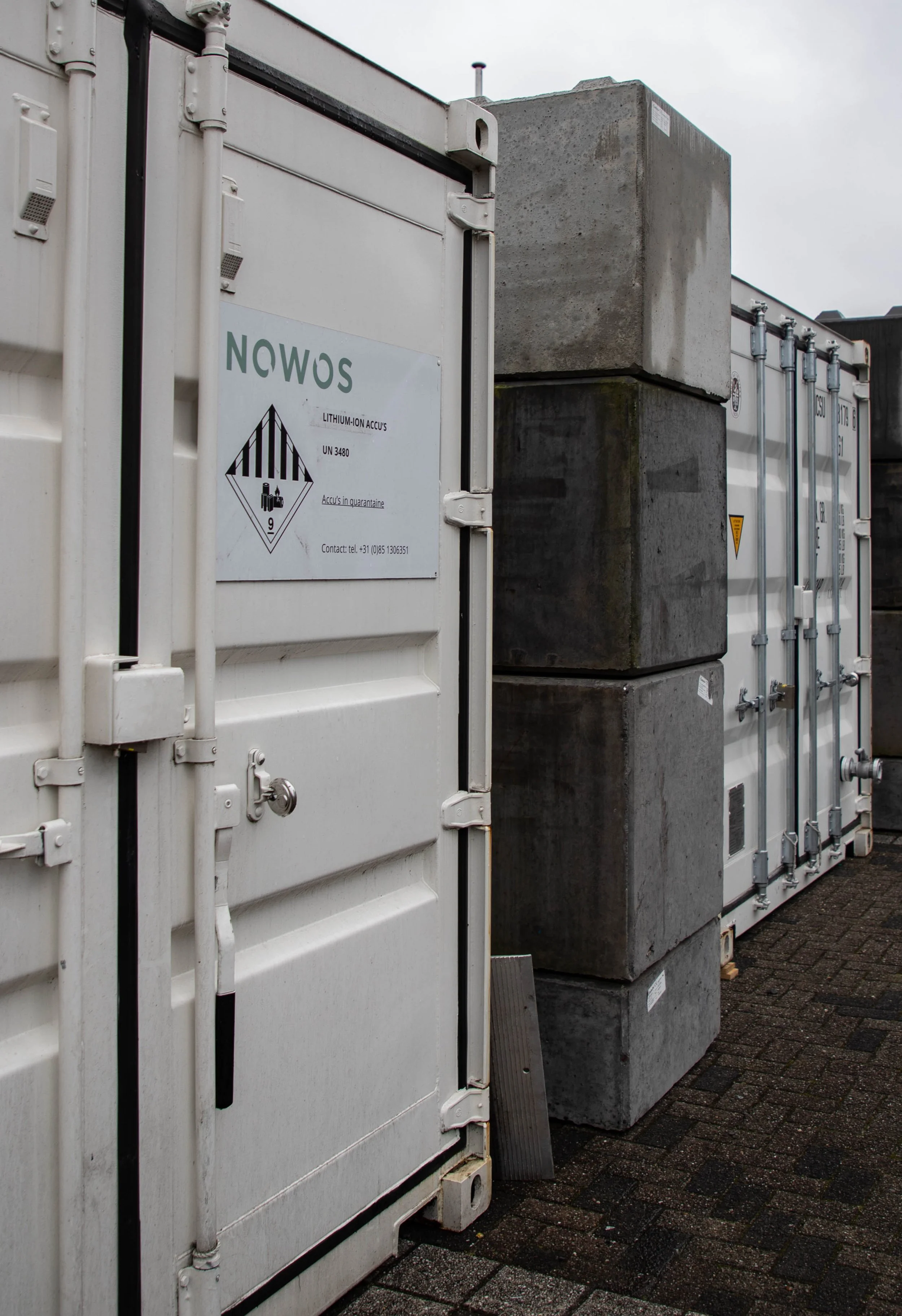
#2 PGS 37-2 Containers
At all our sites, we have PGS 37-2 compliant-level storage containers, as per Netherlands regulations. We apply the same highest standards across our hubs.
Our advanced storage facilities are equipped with cutting-edge safety features, such as early warning systems and fire suppression systems, to mitigate potential risks associated with lithium-ion batteries.
#3 Multiple Safety Inspection Checks
Before shipping, we verify with and guide customers on packing materials and conditioning.
Upon receipt of goods, our team inspects for any signs of leakage, heat, corrosion, or loose wires before registering and handling them.
During repair, batteries are carefully diagnosed. If any issue is flagged, batteries are re-sorted.
In quality Control, batteries undergo a final quality check and are recharged to 30% State of Charge (SoC) for transport.

#4 Vetted Logistics Partners
Our logistics partners are vetted annually for specialized handling of lithium batteries, including hazardous materials, via road and intermodal networks.
They hold relevant Lithium Battery certification and comply with ADR regulations, ensuring safe, compliant, and experienced transport for automotive and consumer electronics batteries.
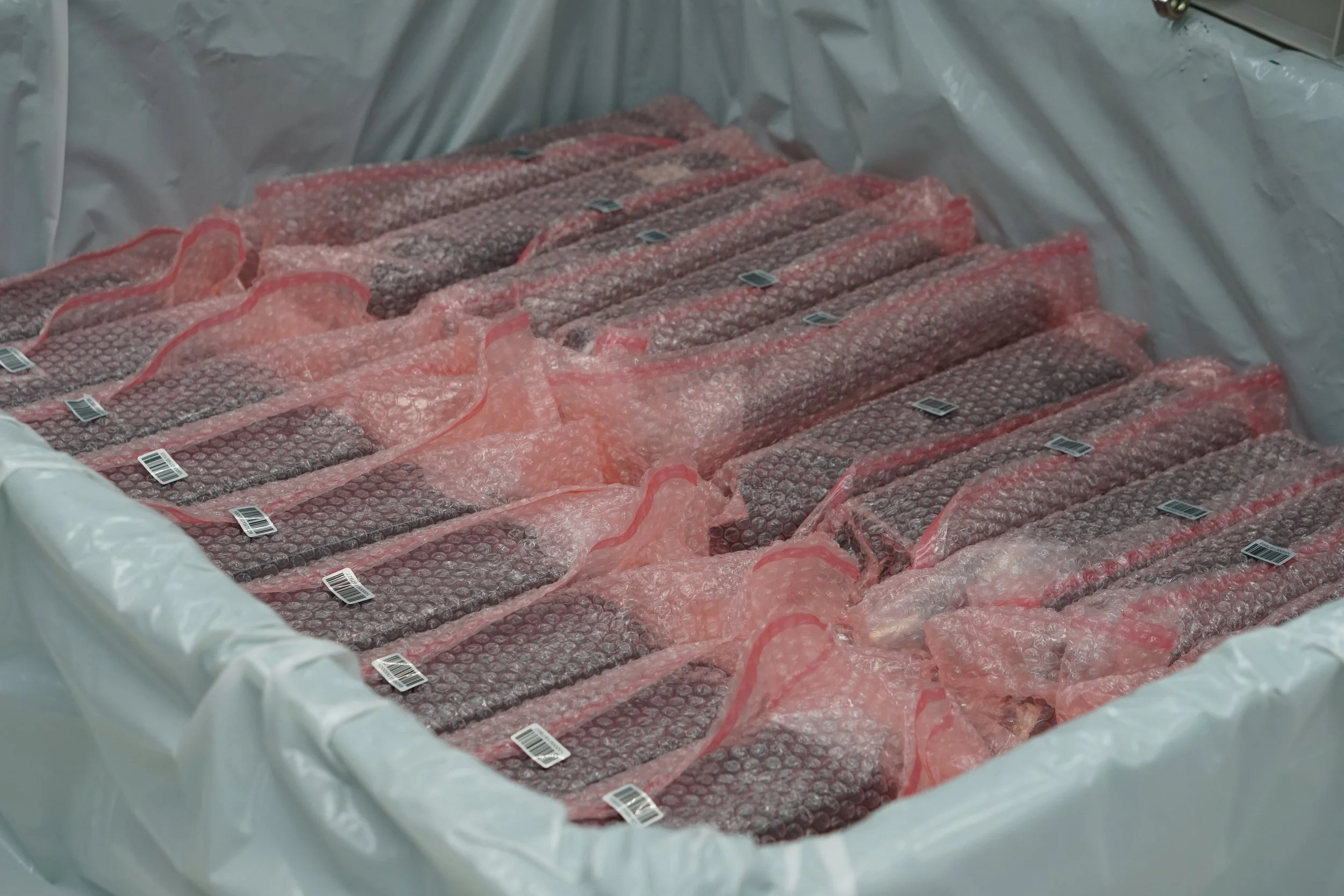
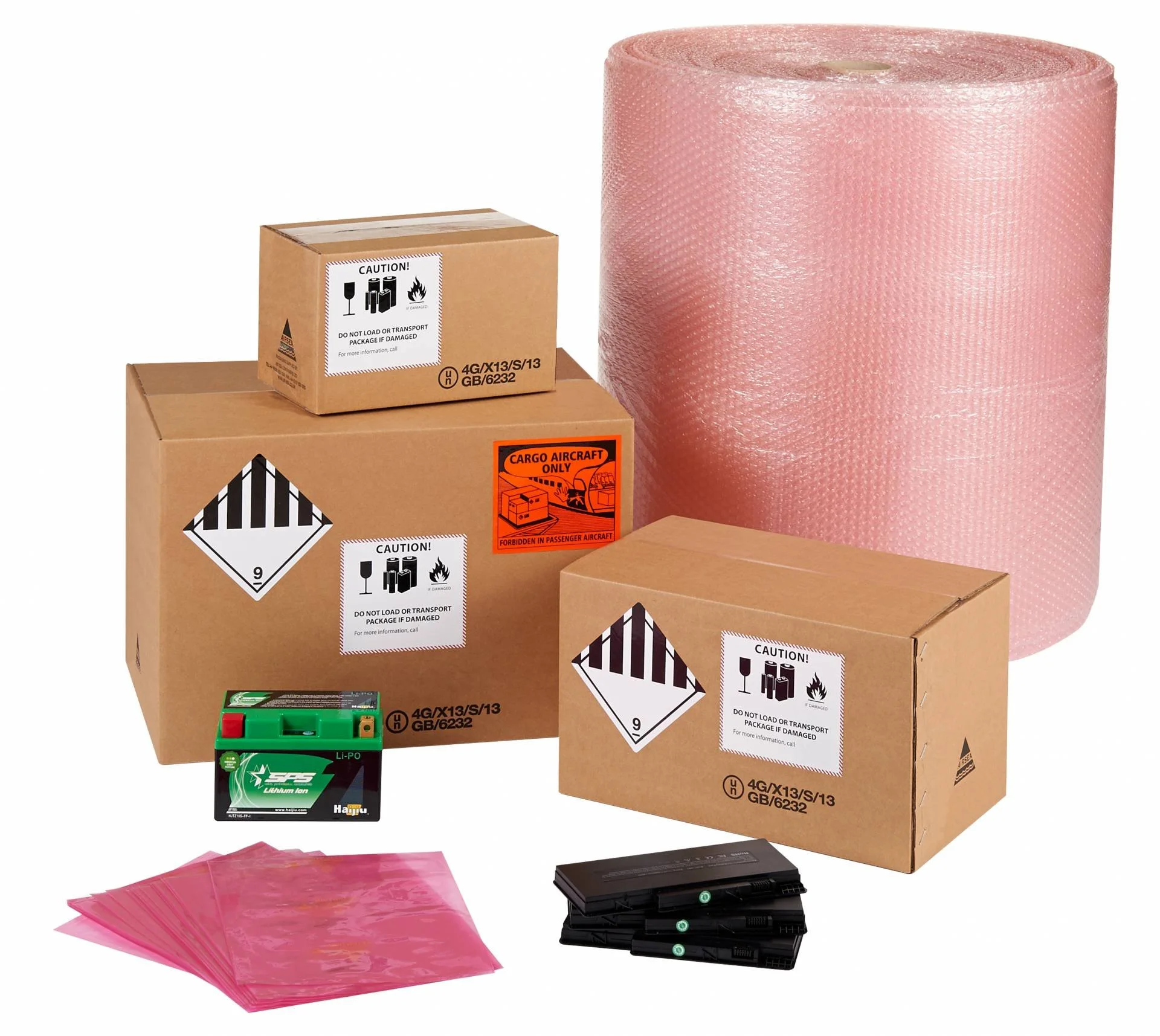
#5 UN 38.3 Compliant Packaging
We ensure our customers use UN 38.3 approved packaging when handling Dangerous Goods. If needed, we supply boxes, containers, and packing materials.


Low-Carbon Logistics: Transitioning to Electric and Hybrid Transport
We are proud to work with logistics partner in France, Geodis, is actively decarbonizing its fleet to minimize environmental impact. According to their 2024 CSR Report, 97% of their European vehicles already meet EURO 5/6 standards or are fully electric.
To ensure complete transparency, we utilize their advanced carbon tracking platform to gather detailed GHG (Greenhouse Gas) emissions data, allowing us to monitor and understand the footprint of every shipment.
Furthermore, we optimize our operations by:
Consolidating Shipments: Grouping batteries together to maximize efficiency and reduce the carbon footprint per unit transported.
Annual Distance Tracking: Calculating total kilometers traveled each year for our services to continuously refine and reduce our environmental impact.
#6 Incident Prevention and Containment
Monthly SAFE workshops on safety protocols.
On-site ASP containers: rugged, galvanized, UN-certified steel units for safe storage and transport of hazardous solids, pastes, aerosols, chemicals, and lithium-ion batteries; stackable, lockable, ventilated, and compliant with ADR/RID/IMDG.
Incident response kit at every workstation.
For more information on safety & handling, please contact us.